Leading Job-Based Immigration Counsel: Your Resource for Handling Immigration Procedures
Handling through the difficulties of job-related immigration requires knowledgeable guidance. The best attorney can significantly shape the conclusion of immigration permit requests. With diverse immigration permit categories and constantly shifting guidelines, understanding the domain is vital. Employers and workers face mutual hurdles that may impede their aims. What aspects should individuals keep in mind when engaging an immigration counsel? Breaking down these factors will elucidate a clearer pathway through the immigration permit application sequence.
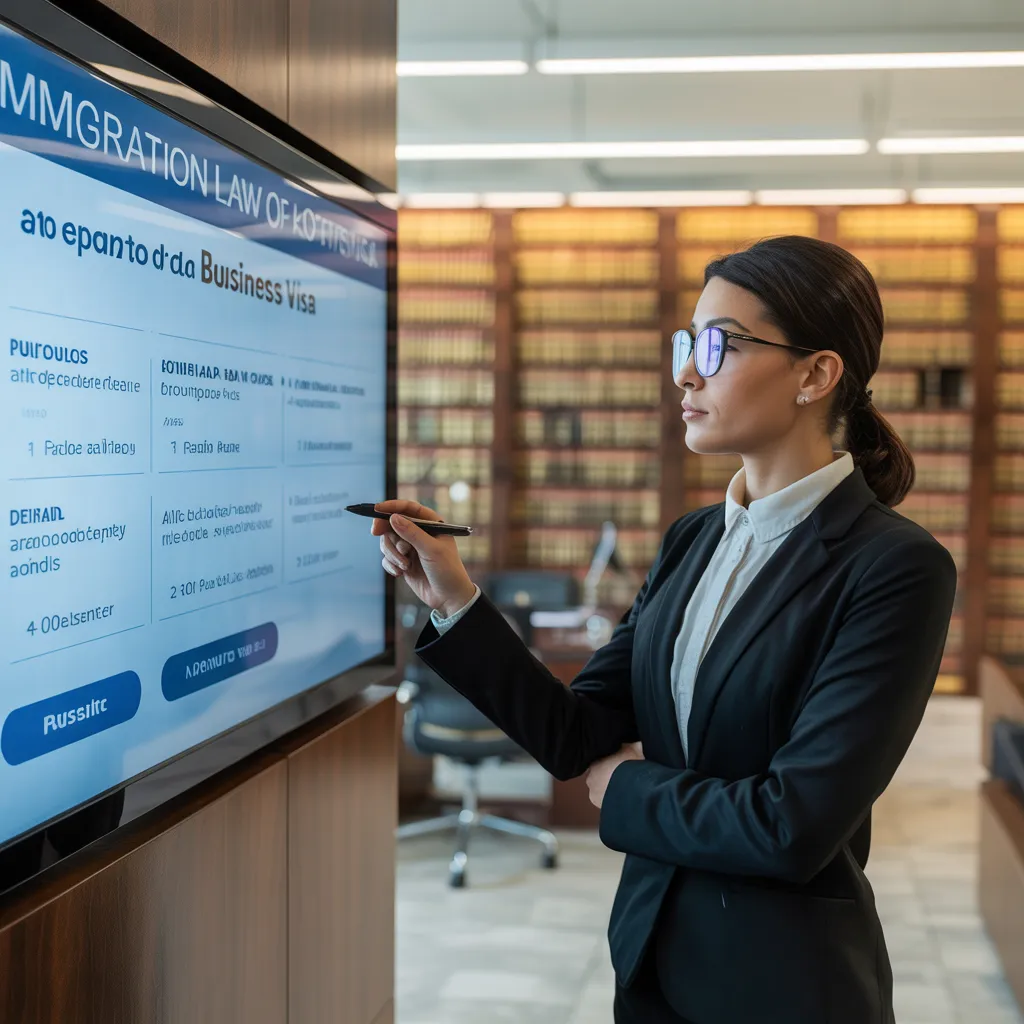
Major Classifications for Employment-Based Immigration
When evaluating employment-based immigration, understanding the various types is crucial for both employers and prospective employees. Several key categories facilitate this process, each tailored to specific circumstances. The H-1B is one of the most well-known, enabling U.S. companies to employ foreign workers in specialty occupations that require theoretical or technical expertise. The L-1 enables intra-company transferees to work in the U.S., ideal for multinational companies. Another important category is the O-1 , which is designated for individuals with extraordinary ability or achievement in their field. Additionally, the EB-2 and EB-3 present pathways for skilled workers and professionals seeking permanent residency based on employment. Understanding these types helps both parties navigate the complexities of employment-based immigration effectively, ensuring compliance with legal requirements and optimizing the hiring process.
Standard Hurdles in Work Immigration and Remedies
Managing the intricacies of employment-based immigration creates multiple common challenges that can obstruct both companies and workers. One major challenge is the constantly changing immigration rules, which can cause doubt and perplexity. Companies may find it difficult to stay current with these modifications, causing probable adherence issues. In addition, protracted processing times for work permits can delay recruitment, impacting business operations.
An additional challenge exists in the paperwork demands. Candidates often encounter difficulties collecting the necessary paperwork, which can lead to partial submissions and following denials. Furthermore, a absence of clear dialogue between employers and employees can worsen confusion concerning the immigration process.
To address these challenges, companies can allocate resources for education for HR staff on immigration issues and create transparent lines of communication. Seeking expert advice from experienced immigration lawyers can also simplify the procedure, ensuring that both parties work through the intricacies effectively and successfully achieve their immigration objectives.
Finding the Right Immigration Attorney for You
What ways can a person make certain they discover the right immigration attorney to navigate the complexities of employment-based immigration? First, potential clients should review the attorney's experience and specialization in employment-based cases. A qualified attorney will exhibit a deep grasp of immigration laws and procedures relevant to employment .
In addition, asking for recommendations from trusted sources can convey valuable insights into an legal advisor's prestige and proficiency. Virtual testimonials and reviews can also help estimate consumer fulfillment.
In addition, it is crucial to plan consultations to review communication styles and complete compatibility. A proficient legal advisor should be welcoming, responsive, and prepared to explain complex legal concepts in a transparent manner.
To wrap up, clients should discuss pricing arrangements upfront to avoid unexpected costs. By taking these elements into account, people can confidently opt for an immigration attorney who satisfies their specific needs and expedites a smoother immigration process.
Entry Permit Filing Process: Things to Expect
What steps should one anticipate during the application procedure? First, candidates insightful guide must determine the appropriate category based on their employment status. After determining the proper type, they should gather required documents such as job offers, academic credentials, and any required endorsements from employers.
Next, candidates will need to fill out the application document, which frequently contains comprehensive personal and professional information. Once the form is filed, applicants typically settle the required charges. Following this, interviews could be arranged, where candidates can expect to respond to inquiries concerning their skills and goals in the host country.
Following the interview, applicants await a determination, which may vary between approval to denial. Keeping clear communication with an immigration attorney during this procedure helps manage any complexities that arise. Understanding these procedures can simplify the application journey, increasing the chance of a favorable result.
Genuine Positive Outcomes in Work-Sponsored Immigration
Navigating the application process can be intimidating, but many individuals have gained work-related , revolutionizing their professional lives. Take, for example, Maria, a software engineer from Brazil. After a long application journey, she received an H-1B , allowing her to work for a leading tech firm in Silicon Valley. This opportunity not only elevated her career but also improved her personal life.
In an identical manner, Raj, an Indian physician, conquered numerous hurdles to obtain a J-1 for a residency program in the United States. His dedication and resilience ultimately led him to achieve a permanent position in a prestigious hospital, fulfilling his dream of delivering medicine in America.
These concrete accounts of success underscore the impact of employment-based immigration, proving how determined individuals can steer through involved procedures and accomplish their objectives, contributing to diverse workplaces and locales across the country.

Standard Commonly Inquired Questions
What Skills Should I Look for in an Immigration Legal Representative?
When identifying an immigration professional, one should underscore germane experience, a strong track record with similar cases, articulate communication skills, glowing client reviews, and up-to-date knowledge of immigration laws and procedures. Credentials are vital considerably.
What Timeframe Should You anticipate for the Application Process?
The application process generally takes several months, depending on the type and individual circumstances. Factors such as processing times, required documentation, and potential backlogs can significantly affect the overall duration of the submission.
Are There Age Limits for Work-Based Immigration Applicants?
Employment-based immigration applicants commonly do not encounter particular age restrictions. That said, specific categories may consider age-dependent factors, such as qualification for certain programs or benefits, and these can vary based on individual circumstances.
Is it possible to file multiple Types in parallel?
Yes, an applicant can apply for several types at the same time. However, each submission must meet particular requirements and rules. Consulting an immigration attorney can help handle the complexities of filing multiple applications effectively.
What Are the Costs Associated With Retaining an Immigration Attorney?
Hiring an immigration lawyer typically includes costs for consultations, document preparation, and representation. Costs can vary considerably based on the attorney's experience, the intricacy of your situation, and regional differences, often spanning hundreds to thousands of dollars.